
Common Mistakes to Avoid When Designing a Family Home
Designing a family home is an exciting process, but it also involves many decisions. It’s easy to focus on layouts, finishes, and what looks good on paper, while overlooking how those choices will hold up over time. Many of the most common mistakes don’t show up right away, but appear later, once daily routines settle in, and the home starts being used in real life.
At Harren Companies, we work with homeowners who want to avoid those frustrations and make thoughtful decisions from the start. Understanding where people tend to run into problems can help you design a family home that feels comfortable, functional, and adaptable for years to come. Contact us today if you are considering building a family home that will last.
Designing Only for Today
One of the most common mistakes is designing a family home around current needs without considering how those needs will change.
What works for young children may not work for teenagers. What feels spacious today may feel tight later. A layout that doesn’t allow for flexibility can quickly become limiting.
A well-designed family home leaves room for change. That doesn’t mean overbuilding, but it does mean thinking ahead and allowing spaces to evolve over time.
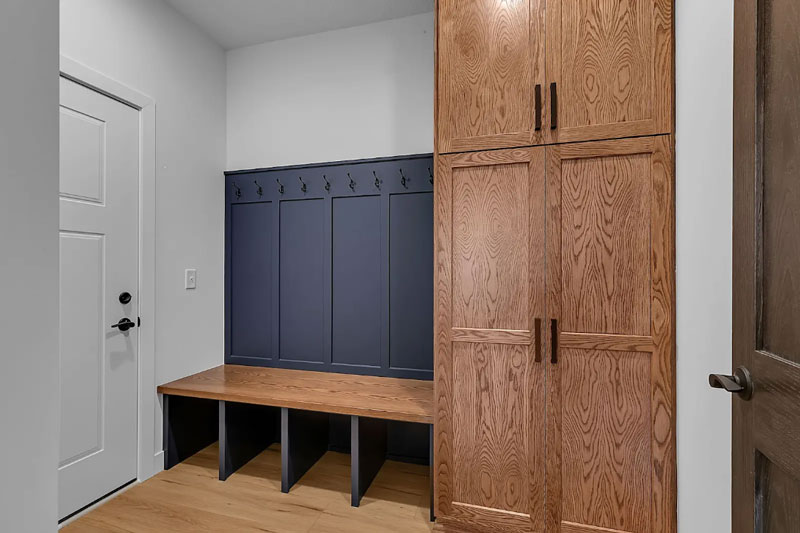
Not Planning for Enough Storage
Storage is often underestimated during the design phase. It’s easy to assume there will be enough space, but daily life tends to prove otherwise.
Without intentional storage, homes become cluttered and harder to maintain. Items end up in shared spaces, and routines become less efficient.
A functional family home includes:
- Mudrooms that handle daily traffic
- Built-ins that reduce clutter
- Closets that are easy to access and use
When storage is part of the design from the beginning, the home stays organized and easier to live in.
Going Too Open or Not Open Enough
Open floor plans are popular, but they don’t always work the same way for every family.
Too open, and noise and activity can carry throughout the house with no separation. Not open enough, and spaces can feel disconnected or difficult to use.
The right balance depends on how your family lives. A well-designed family home allows for gathering when you want it and separation when you need it.
Ignoring Daily Traffic Flow
A home can look great on paper, but feel awkward in everyday use if traffic flow isn’t considered.
Think about how people move through the space:
- From entry to kitchen
- From the garage to the living areas
- From bedrooms to shared spaces
When pathways aren’t intuitive, small frustrations build up over time. A family home should feel natural to move through without requiring constant adjustment.
Overlooking Multigenerational Needs
Even if it’s not an immediate priority, many families find themselves needing space for extended family at some point.
Multigenerational homes require thoughtful planning:
- Private spaces for different routines
- Flexible rooms that can change use
- Layouts that allow for independence and connection
Planning for these possibilities early helps avoid major changes later.
Choosing Style Over Durability
Finishes and materials are often selected based on appearance, but durability matters just as much in a family home.
High-traffic areas, kitchens, and shared spaces see daily use. Materials that wear quickly can lead to more maintenance and earlier replacement.
A well-designed family home balances style with practicality, choosing materials that hold up over time while still reflecting your preferences.
Attention to Detail Now Pays Off for Years
Most design mistakes don’t come from big decisions, but from small oversights that add up over time. By thinking through how your home will function day-to-day and how it may need to adapt in the future, you can avoid common pitfalls and create a space that truly works for your family.
A well-planned family home supports both your current lifestyle and what comes next, without requiring constant adjustments or compromises.
Plan a Family Home That Works Long Term
If you’re thinking about building a family home in Minnesota, taking time to understand these common challenges can make a lasting difference. Harren Companies helps homeowners design custom-built homes in Minnesota that support real life, both now and in the future.
If you have questions about designing a family home that avoids these issues, we’re here to help you think through your options.

